Street Food Safety in East Africa: Eat Like a Local Without Regrets
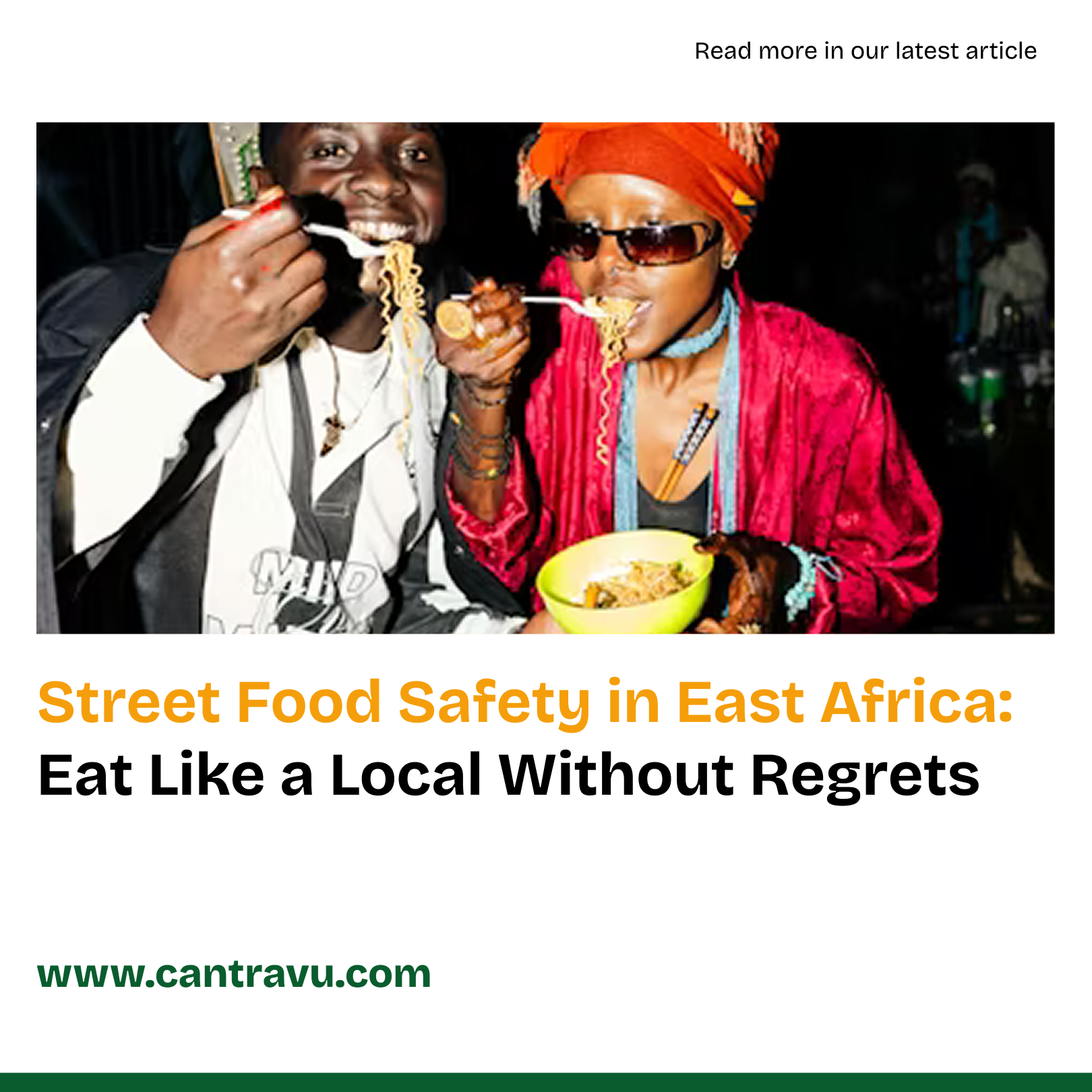
How to eat East African street food safely during AFCON 2027. The best street food in Nairobi, Kampala, and Dar es Salaam, how to spot quality stalls, what to avoid, and what to do if you get sick.
The best food in East Africa is often sold on a pavement, from a cart, by someone who has been cooking the same dish in the same spot for twenty years. Here's how to enjoy it safely.
The fundamental rule
Hot food, high turnover, busy stall = generally safe. This is the real food safety calculus for street eating — not whether something looks formal or has signage.
A packed stall that sells out by midday is cycling through fresh ingredients constantly. A tourist restaurant that serves international cuisine to half-empty tables may have food sitting longer.
What to look for in a good street stall
- Queue of local customers — the most reliable quality indicator anywhere in the world
- High heat visible — food being cooked fresh, not warming in a pot from hours ago
- Vendor engagement — good vendors are confident, make eye contact, and prepare your food promptly
- Clean serving area — not sterile, but not visibly filthy
- No smell of rancid oil — fresh cooking oil smells neutral to pleasant. Old oil smells wrong.
High-confidence street foods in East Africa
These are among the safest street food categories anywhere in East Africa:
Rolex (Uganda) — cooked fresh to order. The eggs, chapati, and vegetables all hit a hot pan in front of you. Very safe.
Mandazi — deep fried to order or fresh from the batch. The frying process eliminates most bacterial risk.
Mahindi choma (roasted maize) — whole cob, charcoal roasted. Very safe.
Chapati — cooked on a hot griddle, served fresh. Safe.
Grilled meat from a charcoal grill — high heat, visible cooking. Safe if served hot.
Exercise more caution with
Salads and raw vegetables — washed with what water is the question. In formal restaurants this is less of a concern. From an unknown street stall, more caution is warranted.
Pre-cut fruit — lovely to look at, but sitting out in heat invites bacteria. Prefer fruit you can peel yourself (banana, mango, papaya).
Milk-based drinks — fermented milk (like mursik) is part of Kenyan culture and generally fine, but approach unfamiliar dairy products cautiously in your first few days.
Shellfish from informal vendors — only from stalls with obvious high turnover, never if it smells even slightly off.
Water and drinks
- Bottled water throughout — not because tap water is necessarily dangerous but because unfamiliar bacteria take time to adjust to
- Ice in tourist restaurants is generally made from filtered water
- Ice from street stalls — avoid in your first few days
- Sodas, packaged juices, and beer are all completely fine anywhere
If something goes wrong
Even careful travellers sometimes experience gastric distress. The response:
- Rehydrate immediately — oral rehydration salts are your first tool, not anti-diarrhoeal medication
- Rest for 24 hours — your body is eliminating something. Let it.
- Eat plain food — plain rice, plain bread, banana. Not fruit, dairy, or spicy food.
- Seek medical attention if: you have a fever above 38.5°C, blood in stool, symptoms lasting more than 72 hours, or you feel significantly worse rather than better after 24 hours.
All three host cities have good private medical facilities. Your travel insurance will cover a doctor's visit — don't hesitate to use it.
The honest bottom line
Hundreds of thousands of AFCON 2027 fans will eat street food across all three countries and the vast majority will be fine. The risk of missing out on the best food in East Africa by being overly cautious is real and unnecessary. Eat the rolex. Eat the nyama choma. Eat the grilled fish from the waterfront in Dar. Just follow the cues above and trust the stall with the longest local queue.
Plan your East Africa experience with the Cantravu Card
The Cantravu Experience Card is a prepaid card you load before you fly and spend on 100+ experiences across Kenya, Tanzania and Uganda — safaris, restaurants, spa treatments, cultural tours and more.
Load any amount between $50 and $2,000. Browse the full experience catalogue at cantravu.com and book what you want, when you want it. No juggling multiple bookings across different platforms.
It is also the best AFCON 2027 gift you can give someone — or ask for.
Ready to book AFCON 2027?
Flights, hotel, match tickets, and transfers — all in one package.